Thursday, April 29, 2021

1601006181 General Medicine SHORT CASE


"This is an online e log book to discuss our patient’s de- identified health data shared after taking his/her/guardian’s signed informed consent. Here we discuss our individual patient’s problems through series of inputs from available global online community of experts with an aim to solve those patient’s clinical problems with collective current best evidence based inputs. This e-log book reflects my patient centered online portfolio and your valuable inputs on the comments is welcome.”

I have been given this case to solve in an attempt to understand the topic of “patient clinical data analysis” to develop my competency in reading and comprehending clinical data including history, clinical findings, investigations and come up with a diagnosis and treatment plan. 


 A 55 years old gentleman hailing from Miryalguda who is a labourer by occupation came to the hospital with the chief complaints of difficulty in breathing since 4 days.


HISTORY OF PRESENT ILLNESS:-

Patient was apparently asymptomatic 4 months ago. Then he developed fever which was:

  • Onset: insidious 
  • Nature: intermittent
  • Non progressive
  • Low grade
  • Not associated with chills and rigors
  • No diurnal variation 
  • Relieved on medication briefly 

As the fever was not subsiding he went to Miryalguda hospital where he was diagnosed to have Chronic Kidney Disease. He was prescribed medication for the same.


He developed Dyspnea on 21st April, 2021 Pitting edema around 2 am in night which was:

  • Onset- sudden
  • Associated with postural variation i.e. it increased on lying down (orthopnea)
  • Grade- 4 (According to NYHA classification)

He developed cough 3 days back which was::

  • Onset- sudden
  • Nature- dry
  • Non blood stained

There is no history of chest pain.

No history of palpitations.

No history of syncopal attacks.

No history of oliguria.

No history of hemoptysis.


He is a known case of hypertension since 5 years and is on medication.


He is a chronic alcoholic and a smoker since 18-20 years.

General examination: 

He was conscious, coherent, cooperative, moderately built and moderately nourished

He is well oriented to day, time, place, person

There is pallor

No icterus, cyanosis, clubbing, lymphadenopathy

There is Bilateral pitting Edema upto knees


Vitals:

  • He was afebrile.
  • Pulse rate: 92 bpm, regular in rhythm, normal in character and volume, no Radio- radial delay and no Radio-femoral delay.
  • Blood pressure: 180/100 mm Hg measured in right arm and in supine position.
  • Respiratory rate: 18 cpm
  • SpO2 at room air: 98%

Systemic examination:


1) Cardiovascular system:

JVP is elevated


Apex beat: well localised at the left 5th intercostal space half inch medial to mid clavicular line.


2) Respiratory system: Hyperpnea


Investigations done on this patient are:-


1) Renal Function Test:-


2) Hemogram


3) ECG


4) Chest X Ray


Treatment received by the patient:


1) Injection Lasix- loop diuretics

2) Tablet Nicardia- Calcium Channel Blocker

3) Injection erythropoietin

4) Tablet Nodosis - antacid

5) Tablet Shelcal

6) Tablet Orofex


He is undergoing dialysis


From the history, examination and investigations I am of the opinion that the patient has Chronic Kidney Disease due to chronic hypertension which is responsible for the-


1) Dyspnea

2) Pedal Edema

3) Anemia


Sunday, April 25, 2021

1601006181 GENERAL MEDICINE LONG CASE


This is an online e-log book to discuss our patient’s de- identified health data shared after taking his/her/guardian’s signed informed consent. Here we discuss our individual patient’s problems through series of inputs from available global online community of experts with an aim to solve those patient’s clinical problems with collective current best evidence based inputs. This e-log book reflects my patient centered online portfolio and your valuable inputs on the comments is welcome .

I have been given this case to solve in an attempt to understand the topic of “patient clinical data analysis” to develop my competency in reading and comprehending clinical data including history, clinical findings, investigations and come up with a diagnosis and treatment plan.


A 65 yr old woman hailing from Miryalguda who is a agricultural labourer by occupation came to the hospital on 23. 04 .21 with chief complaints of vomitings since 4 days


HISTORY OF PRESENTING ILLNESS: 

She is a known case of  type -2 diabetes since  10 yrs and hypertension since 1 yr and on medication for both

She was apparently asymptomatic 4 days back; then she developed vomitings which were :

  • Sudden in onset
  • 2 episodes /day
  • Pale in color
  • non projectile.
  • non bilious.
  • non blood stained
  • content:- food particles
  • immediately after eating food. 
  • Associated with constipation and belching since 3 days.

For which she went to miryalguda hospital &was referred to KIMS, Narketpally because of elevated serum creatinine (6.5 mg/dl) and blood urea (171 mg/dl)

She also had pedal edema 

  • Insidious in onset 
  • Since- 3 days
  • -pitting type


  •  limited to ankles. (grade-1) 


Negative  history

  • No history of fever ,loose stools,pain abdomen abdominal distension , headache, dyspepsia dysphagia
  • No h/o heart burn ,hematemesis meleana
  • No h/o oliguria , burning micturition  ,dysuria
  • No periorbital puffiness
  • No h/o Dyspnea, syncope ,palpitation , chest pain


PAST HISTORY

no history of  similar complaints in the past

no history of tb , bronchial asthma, epilepsy, thyroid abnormalities

PAST SURGICAL HISTORY ::

underwent hysterectomy 20years back

FAMILY HISTORY:

  • No similar complaints in other family members
  • No history of tuberculosis/ bronchial asthma / epilepsy/hypertension


PERSONAL HISTORY

  • diet: mixed
  • appetite: decreased
  • sleep: adequate
  • bladder movements : normal& bowel movements decreased 
  • no addictions


 MENSTRUAL HISTORY : 

attained menopause 20yrs back

children 3

DRUG HISTORY 

On medication for 

- Diabetes : Inj human actrapid insulin 200-x- 750 since 7 years


- Hypertension for 1 year 

  • Clindine trio
  • Cilndepine 10mg
  • Olmesartam 20 mg
  • Chlorthalidone 12.5 mg

- Pedal edema

  Torsemide 10 mg

No known drug allergies


TREATMENT HISTORY

1) IVF - NS

2)iv - lasix

3) iv-zofer 

4) iv - pantop

5) inj- human actrapid insulin HAI

6) pro-cremaffin


GENERAL EXAMINATION: 

  • informed consent  obtained 
  • conscious, coherent, cooperative
  • well oriented to day, date, time & place
  • moderately built & nourished


  • pallor- no signs of pallor
  • icterus - no signs of icterus
  • cyanosis - no signs of cyanosis
  • clubbing - absent
  • koilonychia - absent
  • lymadenopathy- absent
  • pedal edema - present


VITALS

  • Afebrile
  • Pulse Rate  : -70 bpm

- normal in character

-regular in rhythm

-no radio radial delay  radioofemoraldelay

-normal volume

  • BP: 160/80mm hg in left arm in supine position
  • RR:  20 cpm
  • SPO 2:  98% in room air


SYSTEMIC EXAMINATION

UPPER GIT EXAMINATION

Oral Cavity:

  • Lips     normal
  • teeth   normal
  • gums   normal
  • palate normal
  • oropharynx normal
  • cheek buccal  mucosa normal
  • tongue normal
  • breath   normal


Abdomen Examination::

Inspection

  • shape of abdomen : normal (scaphoid)


  • flanks : not full
  • no venous prominence
  • Umbilicus:  

      -central in position

      -normal (no discharge or hernia seen)

  • Skin over abdomen: 

      -no signs of scar ,sinuses ,ulcers

      -no pigmentation, striae

      -no localised swellings

      -no visible pulsations

  • movements of abdomen : all quadrants are moving with respiration
  • no visible peristalsis
  • hernial orifices: free


Palpation

Superficial:

  • no local rise of temperature
  • no tenderness
  • guarding  : absent
  • rigidity : absent


Deep Palpation : 

LIVER :

  • liver span: normal
  • no tenderness

SPLEEN : 

  • spleen not palpable

  • no rebound tenderness


Percussion 

  • Tympanic note heard; 
  • Dull note heard over the upper border of liver and spleen.
    • Liver span is normal   


    Auscultation 

    normal bowel sounds heard


    OTHER SYSTEMS

    CVS: 

    S1 S2 heard 

    JVP normal


    Respiratory system

    Normal vesicular breath sounds heard


    CNS- 

    Higher Mental functions : intact 

    Motor System : Reflexes preserved

    Babinskis sign : Flexor response

    Sensory system : Cranial nerves intact 


    From the history and examination, differential can be Acute GE, acute Gastritis, Bowel obstruction, endocrine or metabolic causes like gastroenteritis,gastric or bowel obstruction , Uremia etc.


    INVESTIGATIONS: 

    Hemogram

    CUE

    • Pus cells: 3-4
    • Epithelial cells: 2-4
    • RBCs: nil
    • Sugars: nil
    • Bile salts and bile pigments: nil 
    • Albumin: 2+
    • Spot urine Sodium: 153 mEq/L

    RFT

    • Serum urea: 199 mg/dl
    • Serum creatinine: 8.5 mg/dl
    • Serum uric acid: 7.8 mg/dl
    • Calcium: 10 mg/dl
    • Phosphorus: 4.7 mg/dl
    • Sodium: 135 mEq/L
    • Potassium: 4.2 mEq/L
    • Chloride: 106 mEq/L

    CXR

    USG ABDOMEN


    ECG


    From the investigations, I am of the opinion that it could be Acute Kidney Injury. The cause of her AKI could be-


    • Pre renal: Volume depletion from excessive vomitings 


    Monday, March 15, 2021

    A CASE OF PARAPARESIS

    I've been given data of the case's CASE REFERENCE to solve, in an attempt to understand the topic of "paraparesis."


     CASE REPORT 1:

    A 23 yr old, previously well male,who was a autorickshaw driver by profession, came to the hospital with complaints of :
    • Weakness of both the lower limbs since 5 days
    • Complaint of tingling and numbness 
    • History of vomitings 5 days back, 3-4 episodes, nonprojectile ,non bilious but with food particles.
    • History of a fall ,unable to getup on his own and received help from his father
    • Gluteal abscess since 5months (operated 5 months back) 
    • Scrotal abscess since 20 days(incision and drainage 10 days back)

    Prior to this he had no similar complaint but has  history of contact with multiple sexual partners.

    EXAMINATION:
    On examination, a drained Gluteal abscess was found (appeared as ulcer)

    SENSORY SYSTEM : Normal
    MOTOR SYSTEM :
     Hypotonia of Both Lower Limbs
     Power of Rt and Lt LL is 2/5 and 0/5 resp.
     Plantar reflex is Extensor
     Right Sided Deep Tendon reflexes are more   reactive with Rt Knee and Ankle Jerk scoring 3+     and Ankle Clonus present on Rt side
    MENINGIAL SIGNS: Negative

    INVESTIGATIONS :
       Hemogram, Serology for HIV,HCV and HBSAg , LFT , RFT , CXR , X-RAY ABDOMEN, MRI BRAIN,ESR,RBS .

    CBP: Normal
    SEROLOGY: Negative
    LFT AND RFT: 
    Low creatinine
    High SGOT
    High Alkaline phosphotase
    ESR 45 mm/1st hr
    RBS 99 mg/dl

    X ray images:


    MRI images of the above patient are as below


    There is significant enhancement which represents Meningeal Enhancement Or Exudates and following lesions in mri with multiple nodules in pulmonary apices suggestive of Pulmonary Kochs and Disseminated Tuberculosis.


    _________________________________________________

    QUESTIONS

    1.WHAT IS THE LIKELY DIAGNOSIS AND WHAT ARE THE DIFFERENTIALS?
    A.Paraparesis with L4,L5infective spondylodiscitis

        "    Spondylodiscitis can be defined as a primary infection (accompanied by destruction) of the intervertebral disc (discitis), with secondary infections of the vertebrae (spondylitis), starting at the endplates. It can lead to osteomyelitis of the spinal column.   "

    [ With left psoas abscess
      With ring enhancing lesions in right and left cerebral hemispheres 
      With healing ulcer in right gluteal region secondary to drained gluteal abscess 
      With pyocele left side operated ( 10 days back)]

    DIFFERENTIALS:
    1. Pott's disease or Tuberculosis of spine
    2. Transverse myelitis secondary to viral     infections like HIV, HTLV-1  or Brucellosis etc.
       Further investigations needed to rule out these differentials: 
       CT-guided biopsy for TB
       2ME, IFA, ELISA for Brucellosis
       Serology, antigen detection, PCR for HTLV1


    2.WHAT IS THE LIKELY PATHOGENESIS OF THIS CONDITION?
    A. HYPOTONIA: The defect may lie at the 
    1.Central nervous system:  Central hypotonia with defects at the brain or spinal cord  (umn or lmn).
    TESTS TO RULE OUT OTHER DISEASES OR TO MEASURE MUSCLE INVOLVEMENT:


    1. Peripheral nerves (motor and/or sensory) : Peripheral hypotonia that may affect any place between the spinal cord and muscle. ✓Neuromuscular junction at the connection between the nerve endings and the muscles may be affected.                                       ✓The nerves bring in the impulse from the central nervous system that makes the muscle maintain contraction or a resting muscle tone. Defects may lie at the level of the muscles.
      Further investigations needed:
     EMG/NCV: Used to diagnose disorders of lower motor neurons, as well as disorders of muscles and peripheral nerves. Nerve conduction studies help to differentiate lower motor neuron diseases from peripheral neuropathy and can detect abnormalities in sensory nerves.

    MRI: Images can help diagnose brain and spinal cord tumors, eye disease, inflammation, infection, and vascular irregularities that may lead to stroke.

    SPONDYLODISCITIS:
     Pathogenesis:

    "     In the beginning of pyogenic spondylodiscitis the anterior aspect of the vertebral end plate will abrade. Also loss of disc height, gradual development of osteolysis and further destruction of the subchondral plate will manage. Later on there will be more destruction of the vertebral body, new bone formation and kyphotic deformity. Because of the erosion of the vertebral end plates, the vertebra can collapse.
     Tuberculous spondylodiscitis is also identified by the loss of the anterior subchondral part of the vertebral body.
    The difference between the two types, is that the intervertebral disc and the joint space are preserved longer in the tuberculous spondylodiscitis.   "

    3.WHAT ARE THE THERAPEUTIC OPTIONS IN THAT SITUATIONS? 
    A.
    T.ATT 3 tabs/day fdc
    T.Benadon 40mg/od
    T.pregabalin 75mg/po/h/s
    OINT.MEGAHEAL for local application
    SITZ BATH WITH BETADINE TID
    Frequent Change Of Position

    Suggestions:
    Anti-TB treatment with the standard drug regimen to be initiated (isoniazid 300 mg daily, rifampicin 600 mg daily, pyrazinamide 2 g daily, and ethambutol 1 g daily). After 3 months of anti-TB therapy, brain MRI and abdominal CT imaging  should be done to see the result.
    Surgery in this case is indicated when:
    (a) Large leision with rapid deterioration of neurologiccal status OR
    (b) paradoxical increase in size of lesion following antituberculous therpy. but no significant benifits have been acheived with surgeryinaddition to chemotherapy.

    RECENT ADVANCES:
    "    Current standards in the setting of SD are continuously evolving, as can be seen in the recent advances in the field of radiological diagnostics, and the use of growth factors and cell-therapy strategies to promote infection eradication and bone healing after surgery.   "

    QUERIES:

    ✓WHAT IS THE REASON FOR ELEVATION OF HIS LIVER ENZYME LEVELS?
    ✓IS THE COLD ABSCESS RESPONSIBLE FOR THE SPONDYLODISCITIS?
    ✓WHY DID'NT THE PATIENT SHOW ANY SYMPTOMS OF TUBERCULOUS?


    References:


    Saturday, May 16, 2020

    MEDICINE CASES E-LOGBOOK

    BY ISHWARYA.T 164

    "CASE OF 42YEAR OLD FEMALE WITH 
    MULTIPLE HEALTH EVENTS SINCE BIRTH"

    I've been given this case to solve in an attempt to understand the topic of "patient clinical data analysis" to develop my competency in reading and comprehending clinical data including history, clinical findings, investigations and come up with a diagnosis and treatment plan. 

    CASE REFERENCE(by Dr.Avinash sir)

    INTRODUCTION:

    Following is my analysis of this patient's problem:
        CHIEF COMPLAINTS:
           •Frequent falls to the left following migraine     with aura
           •Fatigue following stress or exercise
           •Swelling(face and abdomen)
           •Hair loss (head and eyelashes)
           •Breathing difficulties
           •Sleepl disturbances

    Elaborating each complaint in detail :-

    MIGRAINE WITH AURA :
    Onset - Sudden
    Duration - Since 2 years of age so approximately 40 years
    Progression - gradually progressive in intensity 
    Site - More in the left side
    Associated complaints - 
    preceded by Aura, 
    generally associated with numbness of left hand and left face 
    feeling of rotation and spinning while sleeping on left side.   
    Relieving Factors - Triptans
          Possible Diagnosis
    • HEMIPLEGIC MIGRAINE
    • Transient Ischemic Attack (
    • Infections like meningitis, encephalitis (associated with a fever, rash)
    • Brain tumours
    • Seizures with post-ictal paralysis
    • Metabolic Disturbances like Homocystinuria 
    • MELAS ( Mitochondrial Encephalopathy Lactic Acidosis and Stroke like episodes)
    In order to confirm the above diagnoses, the possible investigations needed would include:
    • CT and MRI of brain can confirm brain tumours, stroke, TIA
    • CSF analysis to diagnose infections
    • EEG to detect seizures
    • Magnetic Resonance Angiography to diagnose TIA
    • Intracranial pressure         Possible treatment modalities are 
    • migraine - Triptans (which she is already consuming)
    • Surgery (Carotid endareterectomy) - TIA ( cannot give anticoagulants because she has G6PD Deficiency)
    • Anti epileptics - Seizures
    RECOMMENDED TREATMENT:
    Acute treatment
       Triptans and ergotamines are currently contraindicated in the treatment of hemiplegic migraine because of their vasoconstrictive properties (risk of vessel spasm) and concerns about stroke.  Other treatments such as NSAIDs, antiemetics, and sometimes narcotic analgesics are used for symptomatic relief of hemiplegic migraine. Intranasal ketamine has been shown to shorten the duration of aura symptoms in patients with hemiplegic migraine.

    Preventive treatment:

    Given the severity of the symptoms and the contraindication of certain acute medications (triptans and ergotamines), preventive regimens (medications taken daily to prevent the attacks whether you have a headache or not) are considered especially important in the treatment of hemiplegic migraine. There are small studies reporting use of verapamil, acetazolamide, flunarizine, ketamine, lamotrigine and naloxone for treatment of hemiplegic migraine. Since hemiplegic migraine is a subset of migraine with aura, certain preventive medications commonly used to treat typical migraine with aura, including amitriptyline, topiramate, and valproic acid may be beneficial. Beta-blockers are generally avoided for people with hemiplegic migraine out of theoretical concern that it may affect the ability of vessels to dilate.


    FATIGUE FOLLOWING STRESS OR EXERCISE:
    Aggrevated on exertion
    Relieved on rest
       POSSIBLE CAUSES - 
       Hemolytic anemia
       G6PD deficiency 
       Adenosine monophosphate1 deficiency 
      Starving 
       ( Since the patient has both G6PD-DEFICIENT and AMPD the symptoms to oxidative stress and depleted energy supplies are more severe.)
       Past history shows parents to be chain smokers which increases the oxidative stress.
    Treatment given 
    Ribose - helped her because it provides ATP.  
      
     RECOMMENDED TREATMENT
     Drink lots of fluid to avoid fatigue
     Drugs like modafinil, methylfenidate, amphetamine, amantadine etc are also in use .


        SWELLING:
    Since 1 year of age till date
    Site - Face , Abdomen
    Aggravating Factors-Emotional Stress, Eating wrong food such as Fava beans, Exercise, Smoke
    Relieving Factors - Rest
    Associated factors - Shortness of breath, Decreased urination(increased on fasting), Dark coloured urine on exercise


       Possible causes for swelling:
    •Right Heart Failure which is responsible for ascites and shortness of breath (because of Pulmonary artery hypertension).
    •Kidney infection because G6PD is responsible for production of NADPH. And since she has deficiency of G6PD, She does not have enough NADPH and ATP which resulted in loss of lots of ions thereby causing decrease in urination and Facial edema. 
    •It increased on emotional stress and eating fava beans because she has G6PD Deficiency.
    •Her shortness of breath could also be attributed to hiatal hernia.
    •Dark urine on exercise is suggestive of hemolysis which could be due to G6PD deficiency.
        Differential diagnoses :
     Angioedema 
     Pancreatitis
    Investigations done in this case are :
    Hemogram - shows anemia
    ECG - signs of Right Heart Failure
    CXR - Left atrial enlargement in this case
    SGPT, SGOT - elevated in this case suggestive of hemolysis
    CUE - to show infection
    Further investigations required are :
    LDH -should be elevated To detect hemolysis
    Total BIlirubin - should be elevated 
    Reticulocyte count - elevated
    Urobilinogen
    Heinz bodies in RBC on complete blood film
    Beutler fluoroscent spot test - rapid test that identifies NADPH production by G6PD under UV Light  
    Haptoglobin ( decreased in hemolysis)
    Direct Coomb's test - negative (suggestive of non autoimmune hemolytic anemia)
    G6PD test 
    Skin tests for allergy (for angioedema)
    RECOMMENDED TREATMENT :
    Avoiding stress
    Do not consume fava beans, sulpha drugs, antimalarials
    Serine- increased urination
    Excess salt consumption


      SLEEP DISTURBANCES:
    Present since birth
    Duration of sleep - 2-4 hours and no REM sleep
    Possible causes :
    The lactic acidosis with palpitation may also occur during sleep, if stomach emptying has been delayed e.g. due to digestion requirements of the food or its high volume, and the person went to sleep before absorption has started. In this case the person will be awaken in a state of distress, with rapid breathing. The person may recall seeing a nightmare.
    AMPD1 Deficiency can cause sleep disturbances because Adenosine is an inhibitory neurotransmitter so it should help in sleep.
    G6PD Deficiency impaired the glycolysis so glycine is not formed well . Glycine is also an inhibitory neurotransmitter.
    Treatment taken by her :
    L serine : works like glycine in brain so helps in better sleep
    Cimetidine      


      BREATHING DIFFICULTIES:
    High glycemic index food leads to dumping of lactate  which leads to Tachypnoea, Delayed Gastric Emptying leading to Shock Lactic Acidosis leads to waking up at night with tachypnoea and palpitations.
    Investigations to be done:
     ECG
     X-RAY CHEST 

    ANAESTHESIA AWARENESS
    During past surgeries (observed even in her grandmother)
    This condition  has the potential to cause malignant hyperthermia, an uncontrolled increase in body temperature, and permanent muscle damage in patients with MADD. 


    PAST CLINICAL HISTORY:
    Birth - 1 year
    Kernicterus
    Tongue tie and upper lip tie. (cut by surgery at age 13 or 14)
    Large upper tori.
    Lack of sleep (very less, 2-4 hours only once in a day and sometimes twice)
    Screamed constantly.
    Vomited anything aside water and very salty broth (tried breast milk and multiple kinds of formula but no benefit) Would swell up severely- particularly in face/head and abdomen. 
    2 Years
    Delayed milestones
    3 Years
    Began shaving. Excessive hair growth on face/neck/toes/ and legs.
    Still only sleeping 2-3 hours.
    Still ate almost nothing without getting sick 
    Short stature and malnourished
    4 Years - Present
    suffered
    Chronic UTI Kidney infections
    Strep throat (doctor diagnosed)
    Lung infections
    Multiple sprained ankles and knees.
    (hospitalized 3 times for above issues as a kid and once as an adult later).
    Since being vaccinated for pneumonia at age 28 no hospitalization for lung issues.
    Severe reaction to sulfa drugs (Given as infant, mother said).
    Severe headaches (since age 2). Became worse with menses(at 14) and while on BC (birth control - nuva ring) at age 32 caused migraine with aura. Seen for concerns of brain tumor- no scan done was told bloodwork looked great so no need.

    Potential sensory disorder-clothes felt unbearably uncomfortable- physical contact 
    Have higher pain tolerance, feel painful but can not focus on pain even now. 
     Severe mood disorder present since childhood worsened as headaches got worse - used to get extremely angry and fighting if anyone tried to force feed.
      Would suddenly snap (flip out / temper tantrum) for no reason-  still feel the buildup to this state of irrational anxiety/ anger/ fear and have learned to take time out or isolate herself to calm down usually precedes a swelling event or migraine.
      Does not seem tied to stress- can wake up at night with a raise in heart rate (not outside norms- but a jump) with the same symptoms as when it happens awake.
      Migraines entire life- interfered with school life and still have them.

    12 years age - got diagnosed for cervical degeneration and scoliosis seen on x-rays for lung infection
    15 year age -  headache severity increased to the point unable to get out of bed- forced to go to school. 
    Attempted suicide. Put in managed care Diagnosed there with anorexia for refusing to eat. Tied down and tube fed nasally (would rip the tube out- food causes extreme pain and increases anxiety states). Vomited and nearly choked.
    Was sent home, cured after gaining nearly 25 lbs in 2 weeks- all abdominal and face weight.
    Fluctuating  weight pattern due to abdominal edema.
    18 year age- got married 
    21 year age-
     Ectopic pregnancy. 
    Woke up during surgery (Anaesthesia awareness)
    (grandmother also has history of waking during surgery) severely tipped uterus found.
    After surgery, scar revision/wound debridement- again awoke during surgery.
    22 year age-
     chronic abdominal pain around periods. CT showed multiple ovarian cysts- diagnosed. PCOS.
    23 year age- 
    hospitalized for 2 weeks for severe kidney infection and pneumonia at the same time. 
      Type aB melanoma and 4 precancerous tissues removed seen while in hospital.
    24 year age- worsening migraines, ovarian cysts and pain 
    30 year age- broke leg while dancing- just snapped and I collapsed.
    32 year age- Severe reaction to antimalarials- was in remote Ethiopia (Diarrhoea vomiting swelling  felt like 
     Later that year got swine flu (H1N1 active) and pneumonia- was vaccinated for pneumonia with both types of vaccinations over 2 doses.
    35 year age-
    “failed” LASIK 
    Diagned Dyslexic
    Diagnosed adhd/autism spectrum by therapist and psychiatrist.
    Also had a history of CSF rhinorrhoea from her left nostril.
    34 year age- 
    Migraines increased. Left hand and face began going numb 
    Unbearable feeling of spinning for 2weeks
    Headaches increased and aura intensified .This happened on and off.
     About a month later after first spinning event- had the worst headache ever and lost vision- began stuttering. 
    Aura description - It always starts as a small Flicker in the upper left and then eventually becomes a crescent that covers the entire center of my vision. 
    Rashes on Face (Usually 2-4 times a year. Past 6 months have not had one.) Usually come with other issues and at the same time warts and EBV reactivate. 

    Got genetic test last year having  seattle type G6PD deficiency and AMPD1 Deficiency.


    INVESTIGATIONS DONE:
    Heart Rate from a recent normal day :Normal

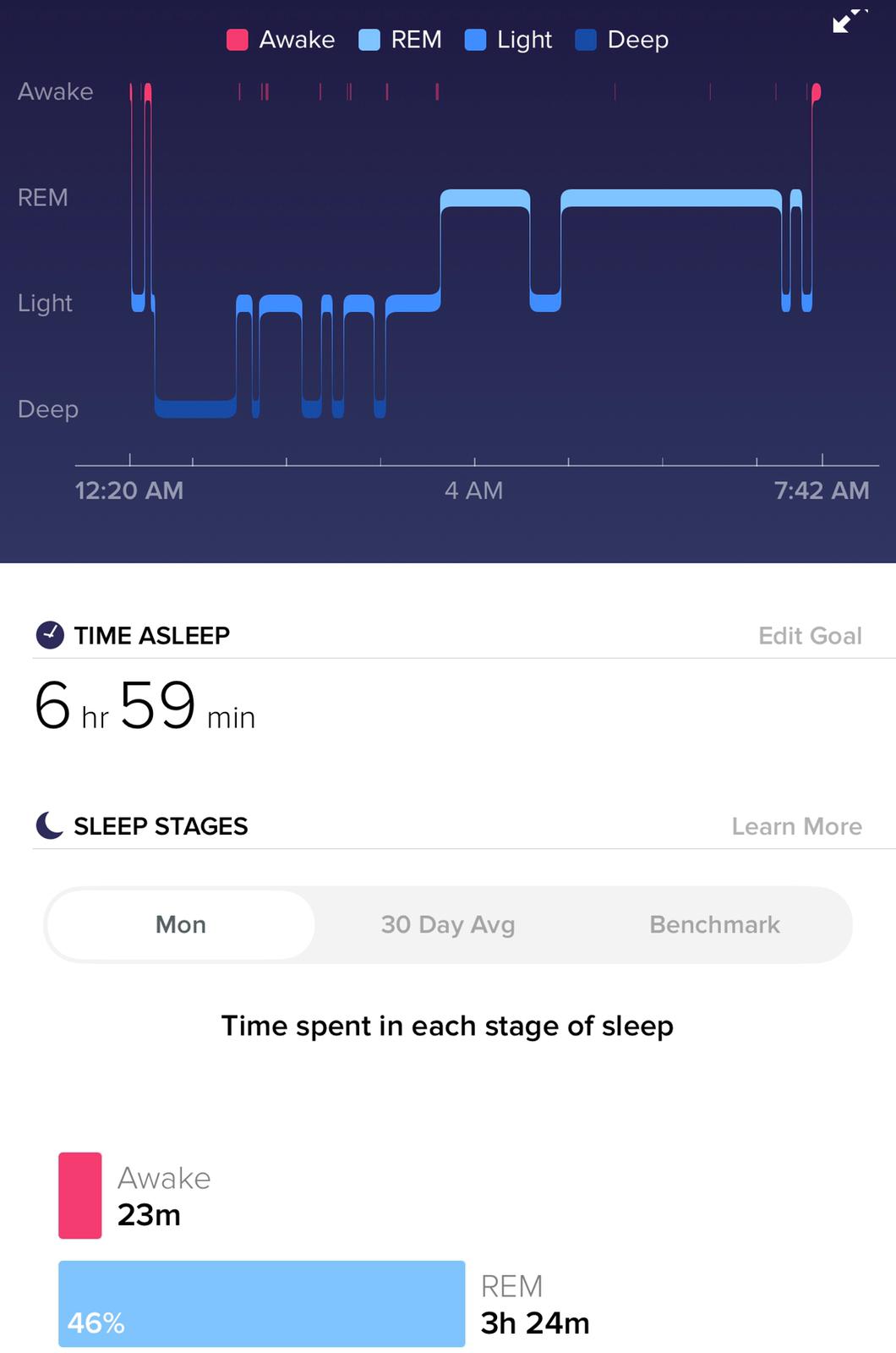
    Sleep cycles..after serine administration
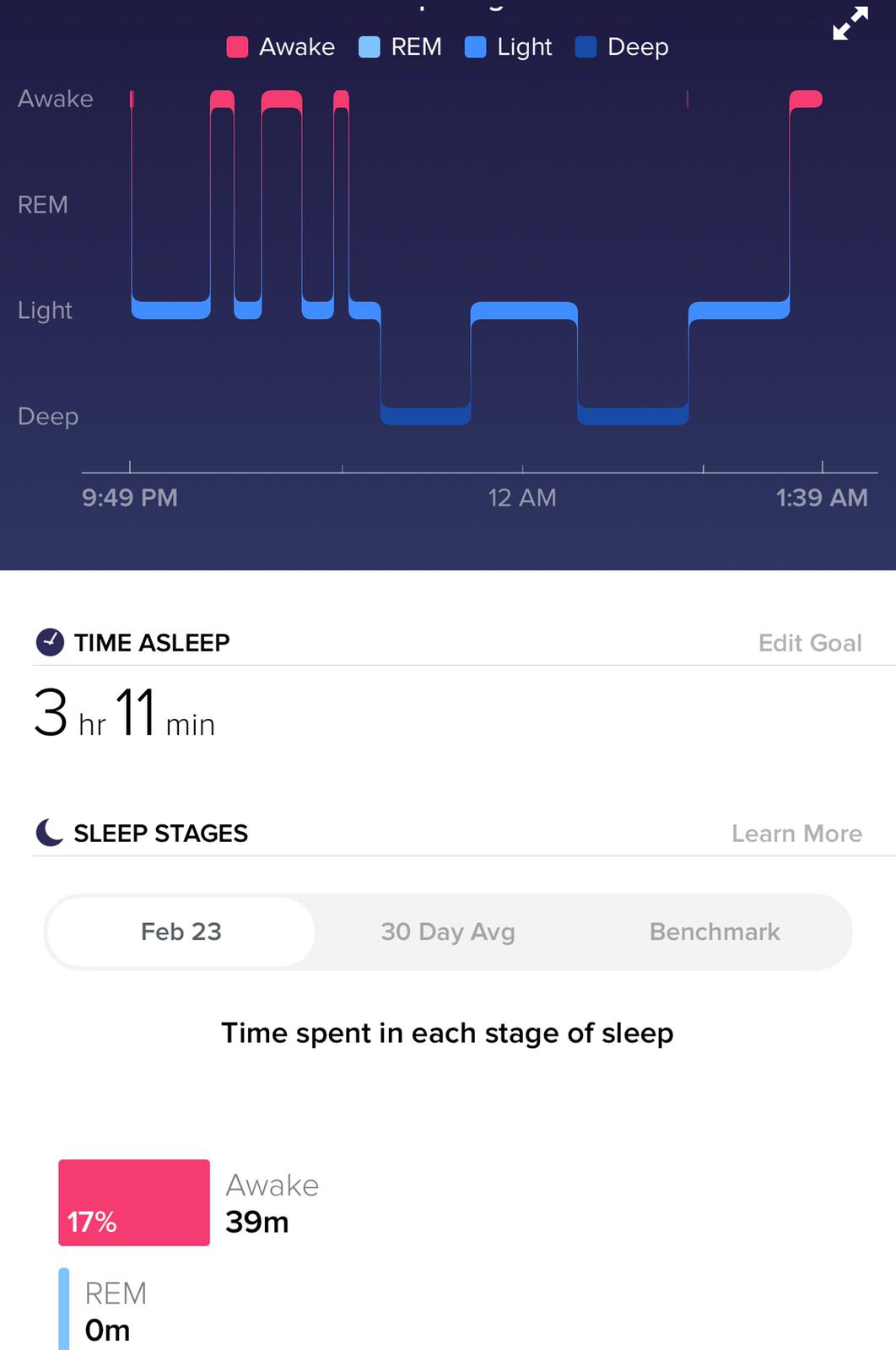
            On 1st day L-Serine
    EDEMA CHANGES
    Edema changes within a week

    1 week apart

    1week apart

    1 Day apart 
    1 week apart
    Infant (frontal bossing showing high ICP?)

    MRI CT Spine


    Fracture (Broke other ankle again last June after falling. Was put in walking boot.)
    Cortisol 2 years back - High DHEAS always , High 17-hydroxypregnenolone, other androgens are normal

    FAMILY HISTORY
    Mother and Dad were on spectrum ,but not diagnosed/treated.
    Mother was diagnosed for fibromyalgia.
    Father had heart attack in 40s.
    Grand father had early death.
    Grandmother had similar medical issue of anesthesia awareness also had hyperelastic skin.


    GENETICSTUDIES
    Seattle type G6PD deficiency
    AMPD1 - AMPD1 deficiency heterozygous
    MTHFR - homozygous for C677T of MTHFR = 10-20% efficiency in processing folic acid = high homocysteine, low B12 and folate levels
    WNK1 mutation
    HLA-DRA - 3x higher risk for developing a peanut allergy In populations of European ancestry
    VWF - association with Von Willebrand disease type 1
    DIO2 - 1.3-1.79x risk of osteoarthritis, 3.75x bipolar, etc.
    CHRNA5 - higher risk for nicotine dependence, lower risk for cocaine dependence
    ANKK1 - Tardive Diskinesia risk, higher ADHD risk. More Alcohol Dependence. Lower risk of Postoperative Nausea. Increased obesity.
    TG - 1.3x to 11.5x Increased risk of autoimmune thyroid
    LOXL1 LOXL1-AS1 - common but 10x higher glaucoma risk in most (but not all) populations
    PNPLA3 - increased liver fat, odds of alcoholic liver disease
    BACE1 - 2x increased ALZ risk in ApoE4 carriers
    BSN - 1.1x risk Crohn's Disease

    Increased risk for Alzheimers, ADHD, Autoimmune thyroid & other autoimmune disorders, lung cancer, cluster headache, Obesity, raised ICP, Diabetes, RA, Bipolar disorders, Lung cancer and issues,


    TREATMENT RECEIVED TILL NOW
    PHARMACOLOGICAL:
    Triptamines for migraine attacks
    Cimetidine for Swelling, urination and sweating
    Ribose to combat stress induced fatigue
    Methylated B for MTHFR
    Diuretics for swelling (not much useful in this case)
    Food with fructose
    L-serine , adenosine and cimetidine helped for enhancing sleep hours.
    Iron folate supplemets for hemolytic anaemia
    Antioxidant supplement pycnogenol
    D- mannose and glucosamine sulfate(no effect)
    Ashwagandha ,baby aspirin,amino acids showed negative effects)
    Sulfur (not useful)
    NAC 
    Nattokinase(last prescribed after being diagnosed with Behcets disease)

    SURGICAL:
    Tongue tie and upper lip tie (cut by surgery at age 13 or 14)
    Ectopic pregnancy at 21 yrs of age during which there was Anasthesia awareness (similar to her grandmother).
    Type aB melanoma and 4 precancerous tissues removed seen while in hospital at 23 yrs of age,
    was hospitalized for 2 weeks for severe (worst ever) kidney infection and pneumonia at the same time.
    Failed LASIK surgery at 35 yrs of age.
    suffered

    Chronic UTI Kidney infections Strep throat (doctor diagnosed) Lung infections  Multiple sprained ankles and knees.
    (hospitalized 3 times for above issues as a kid and once as an adult later)

    RECENT ADVANCES IN MANAGEMENT:

    ✓ Cryopreservation of glucose-6-phosphate dehydrogenase activity inside red blood cells.(1)
    ✓Complete genome sequencing


    75Y/F WITH C/O SOB AND FEVER

    CBBLE UDHC SIMILAR CASES  THIS IS AN ONLINE E LOG BOOK TO DISCUSS OUR PATIENT'S DE - IDENTIFIED HEALTH DATA SHARED AFTER TAKING HIS / HE...